Spring 2026 / Neurological Disorders
When Memories Fade: The Slow Effects of Alzheimer's on Memory and Identity
Alzheimer's is more than forgetting. It slowly reshapes who a person is and the relationships around them.
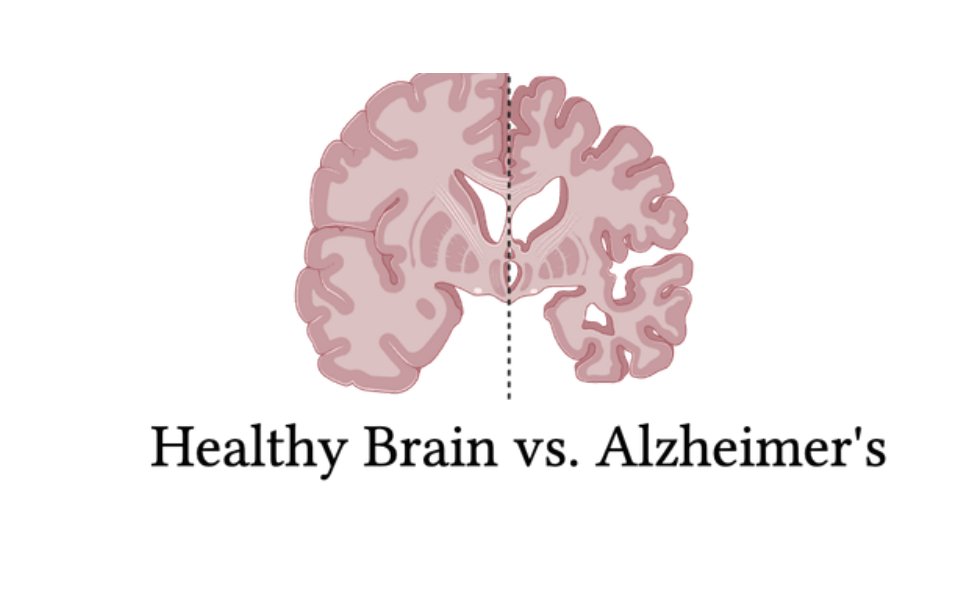
When people think about Alzheimer’s disease, they often associate it with memory loss. While memory loss is one of its most recognizable features, Alzheimer’s is far more complex than simply forgetting names or misplacing objects. It is a progressive neurological disorder that gradually alters how the brain functions and, in many ways, reshapes who a person is. Over time, it affects memory, cognition, behavior, and a person’s sense of identity. What makes Alzheimer’s especially difficult is that it not only impacts the individual but also deeply affects families and relationships. Examining both the biological processes behind the disease and the lived experiences of patients reveals that Alzheimer’s is not just a medical condition, but a deeply human one.
At the biological level, Alzheimer’s disease is driven by changes in the brain that disrupt communication between neurons. One key feature is the accumulation of amyloid-beta proteins, which normally play a role in neuron function and repair.
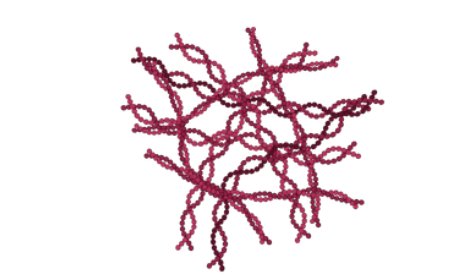
In Alzheimer’s, however, these proteins clump together to form plaques between neurons, interfering with cell signaling. Another major factor involves tau proteins, which typically help stabilize the internal structure of neurons. In the disease state, tau proteins become abnormally twisted into tangles, weakening the neuron’s structure and transport system. As plaques and tangles accumulate, neurons begin to lose function and eventually die, weakening connections across different brain regions.

This damage is especially significant in the hippocampus, the area of the brain responsible for forming new memories. As a result, memory loss is often one of the earliest noticeable symptoms (Kumar, 2024). As more neurons are affected, the brain gradually loses its ability to function normally, leading to widespread cognitive decline.
One of the most challenging aspects of Alzheimer’s is how gradually it develops. The disease begins with subtle changes that can easily be mistaken for normal aging. A person may forget a recent conversation, lose track of time, or struggle to find the right word. At first, these moments may seem harmless. However, as the disease advances, these symptoms become more frequent and begin to interfere with daily life. Tasks that once felt automatic, such as cooking or managing a schedule, become increasingly difficult. Over time, individuals may struggle to recognize familiar faces or navigate places they have known for years. This slow progression makes Alzheimer’s particularly unsettling, as the changes build over time until they can no longer be ignored (İscanlı et al., 2024).
Beyond the biological changes, one of the most profound impacts of Alzheimer’s is how it affects a person’s identity. Memory plays a central role in how we understand ourselves—it connects us to our past, our relationships, and our sense of continuity, meaning the feeling of being the same person over time. As memories fade, individuals may begin to lose parts of who they once were. This loss can appear as changes in personality, mood, or behavior. Someone who was once outgoing may become withdrawn, while someone who was independent may begin to rely heavily on others. These changes can be confusing and emotionally difficult, not only for the individual but also for those around them. Alzheimer’s highlights how closely identity is tied to the brain and the memories we carry (Yang, 2016).
The effects of Alzheimer’s also extend beyond the individual to families and caregivers. As the disease progresses, loved ones often take on increasing responsibilities, both emotionally and physically. Communication becomes more difficult, roles within relationships shift, and caregivers may experience significant stress and fatigue. Family members often describe a sense of loss, even while their loved one is still physically present. This emotional strain can deeply impact relationships, emphasizing the need for support not only for patients but also for those who care for them (Blieszner and Shifflett, 1990).
In the end, understanding Alzheimer’s disease requires looking at both the science and the human experience. While biological changes explain what is happening in the brain, they cannot fully capture what it feels like to live through the disease. Alzheimer’s challenges how we think about memory, identity, and connection. Although continued research is essential for developing better treatments, it is equally important to approach the disease with empathy and awareness. Alzheimer’s is not only about losing memories, it is about understanding their significance and recognizing the profound impact their loss has on individuals and the people around them.
References (5)
- Blieszner, Rosemary, and Peggy A. Shifflett. “The Effects of Alzheimer’s Disease on Close Relationships between Patients and Caregivers.” Family Relations, vol. 39, no. 1, 1990, pp. 57–62. JSTOR, https://doi.org/10.2307/584949. Accessed 23 Feb. 2026.
- GEISINGER, GABRIELLA M. “REQUIRED READING.” Creative Nonfiction, no. 64, 2017, pp. 66–69. JSTOR, https://www.jstor.org/stable/26376213. Accessed 23 Feb. 2026.
- İşcanli, İnşa Gül Ekiz, et al. “Alzheirmer-Demans, Post CPR, Worsening Health Status due to Underlying Chronic Diseases Patients: What We Did in Level 3 ICU and What We Should Do in the Future for Those Patients?” Journal of Critical Care, vol. 81, 30 Mar. 2024, p. 154625, www.sciencedirect.com/science/article/abs/pii/S0883944124001126?via%3Dihub, https://doi.org/10.1016/j.jcrc.2024.154625.
- Kumar, Anil, et al. “Alzheimer Disease.” National Library of Medicine, StatPearls Publishing, 12 Feb. 2024, www.ncbi.nlm.nih.gov/books/NBK499922/.
- Yang, Hyun Duk et al. “History of Alzheimer's Disease.” Dementia and neurocognitive disorders vol. 15,4 (2016): 115-121. doi:10.12779/dnd.2016.15.4.115