Spring 2026 / Brain & Environment
How Weather Patterns Affect Our Brains
Heat, sunlight, and storms do more than change our plans. They shift our hormones, mood, cognition, and even rates of violence.
INTRODUCTION
Most people think weather only matters when it comes to what we wear or how we prepare for the day. However, it has a bigger impact on us than we realize. The environment around us constantly affects how our bodies and minds react, even in ways we don’t notice right away. Weather isn’t just about what we wear, it can rewire how we think. Grey skies stimulate serotonin, heat slows our reaction times, and the smell of rain triggers a dopamine rush. Bright sunny days light up our brains with clarity and energy, while long periods of cloudy weather can make us feel unmotivated. The sky above acts like a remote control for our mind, pressing our buttons all along, showing us a preview of who you’ll be that day.
1. FLUCTUATING TEMPERATURE AFFECTS COGNITIVE ABILITY AND MOOD REGULATION
Cognitive abilities range from critical decision making, analytical thinking, and interpreting incoming information. Our brain is specialized in certain ways that makes our interconnected network of neurons highly functional. For example, the cerebrum is the largest part of our brain, and can carry out responsibilities such as memory, emotion, and language [2]. Each lobe of the cerebrum is crucial for the well-being of our body. One of the most important lobes is the parietal lobe which is associated with interpreting external stimuli such as temperature, touch, and pain. Changes in weather conditions can have a big role in how we process and act in various situations around us.
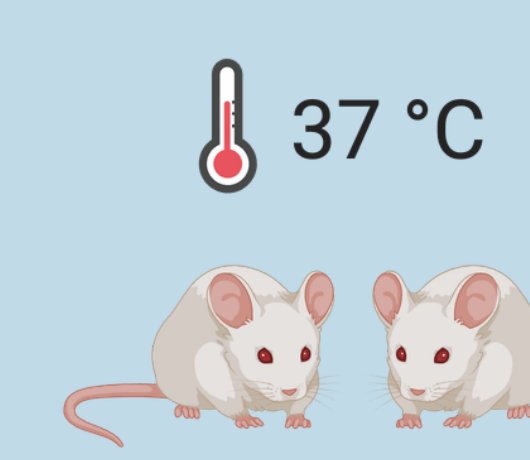
When temperatures fluctuate, the brain must work vigorously to keep homeostasis or internal balance. This can cause an additional stress in extreme conditions and alter our cognitive processes. For example, exposure to high temperatures, typically above 90 degrees Fahrenheit has been shown to impair attention, slow reaction time, and reduce overall cognitive performance. Studies have found that individuals exposed to extreme heat often perform worse on tests requiring memory and problem-solving. On the other hand, excessively cold conditions such as 32 degrees Fahrenheit can disrupt cognitive function by reducing alertness and slowing neural processing [4].
However, these effects are not only physical but also psychological. The brain’s response to temperature changes is connected to neurotransmitter activity, like serotonin and dopamine which regulate mood, motivation, and emotional stability [1]. During cooler or darker times, serotonin levels tend to decrease, which can lead to sadness, irritability, and fatigue. This is seen as Seasonal Affective Disorder (SAD), a type of depression that occurs during the fall and winter months when daylight hours are shorter. In contrast, extreme heat has been associated with increased aggression and impulsivity. This explains why people may feel more easily frustrated or mentally drained during periods of unstable or extreme weather.
This is seen in certain cases with neurological conditions such as Cold Allodynia and Heat Hypoalgesia where our thermal sensations are altered and we experience the cold as painful and heat as nonexistent [5]. These abnormalities highlight how sensitive the brain’s sensory systems are to temperature and how disruptions can
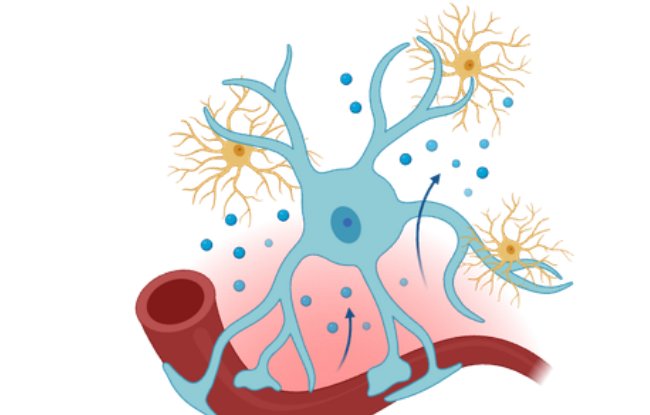
Fluctuations in temperature can also influence our hormonal balance within the body. Hormones such as cortisol, the “stress hormone,” increase in response to environmental stressors like extreme heat. When the body is exposed to high temperatures, it experiences physical stress, which triggers the release of cortisol as part of the body’s natural response to maintain stability. Elevated cortisol levels can impair memory, reduce concentration, and contribute to anxiety. In addition to these effects, prolonged increases in cortisol can also interfere with neurotransmitters in the brain. While hormones travel through the bloodstream, neurotransmitters such as serotonin, dopamine, and melatonin send signals in the brain and affect our sleep patterns and emotional regulation. For example, high stress levels are associated with lower serotonin activity, which can negatively impact mood, as well as disruptions in dopamine, which affects motivation. Cortisol can also interfere with the production of melatonin, the neurotransmitter responsible for regulating sleep cycles. As a result, individuals may experience difficult sleeping, increased irritability, and more emotions. This shows how strongly weather can shape the way we think, feel, and behave.
Overall, weather patterns demonstrate how closely connected our environment is to brain function. Temperature changes have a dramatic effect in shaping how we think, feel, and behave in our daily lives.
2. RECEIVING ADEQUATE SUNLIGHT DECREASES THE RISK OF NEUROLOGICAL DISORDERS
Just as fluctuating temperatures can disrupt cognitive performance and emotional stability, exposure to sunlight plays a crucial role in maintaining brain health and regulating neurological function. Sunlight not only supports our physical well-being, but also influences brain chemistry, structure, and daily activities. One of the most important systems affected by sunlight is the circadian rhythm, which controls our sleep cycle and energy levels, mood, and cognitive performance.
When sunlight enters the eyes, it sends signals to the hypothalamus, targeting the suprachiasmatic nucleus (SCN), which acts as the body’s “internal clock.” This helps regulate the release of melatonin, the hormone responsible for sleep [9]. The hypothalamus is a critical part of the brain’s structure that maintains homeostasis with the endocrine and nervous systems. During the day, sunlight suppresses melatonin, allowing us to feel alert and focused, while reduced light in the evening increases melatonin to let us rest. Without enough sunlight, this cycle can become disrupted, leading to fatigue, irregular sleep patterns, and decreased function.
Beyond mood and sleep, sunlight has been linked to long-term neurological health. Studies have shown that limited sunlight exposure and seasonal changes are associated with the progression of disorders such as Parkinson’s, Alzheimer’s disease, and multiple sclerosis [8]. One explanation for this is the role of environmental factors like light exposure in terms of regulating brain volume and neural activity [6,7]. Studies have shown that sunlight contributes to maintaining healthy brain function.
Moreover, sunlight contributes to the production of vitamin D, which plays an important role in brain development and neuroprotection. Vitamin D receptors are found throughout the brain, and receiving enough levels are associated with improved cognitive function and reduced risk for neurodegenerative diseases. However, if sunlight exposure is limited, this leads to a vitamin D deficiency which is linked to cognitive decline, dementia, and Alzheimer’s disease. This is due to disruptions in speed processing, “brain fog,” and a reduced hippocampal volume, the area largely associated with memory.
Furthermore, it isn’t just sunlight but also increased air pollution and seasonal changes in radiation exposure that impacts our brain health. These factors are also very significant in our body regulation and function. Any disruption can lead to higher susceptibility to a neurological condition.
3. SEVERE WEATHER EVENTS CAN TRIGGER CHANGES IN OUR BRAIN
Many weather events such as floods, hurricanes, and wildfires have high impacts on our brain function and overall mental health. These events can place the body under intense stress, activating the brain’s hypothalamic-pituitary-adrenal (HPA) axis. This is our body’s stress-response system that leads to the release of cortisol to manage stress, regulate metabolism, and suppress inflammation. While cortisol is helpful short-term in “fight or flight” situations, a high amount can negatively impact memory, concentration, and emotional regulation.
During and after severe weather events, individuals often experience heightened anxiety, fear, and emotional distress. The brain’s amygdala, which is responsible for processing fear, becomes more active, while the prefrontal cortex, which helps with decision-making, can become less effective. This imbalance explains why people feel overwhelmed, and have difficulty thinking clearly or struggle to make decisions in high-stress situations.
In addition to psychological effects, extreme weather can also worsen neurological conditions. For example, individuals with epilepsy can experience an increase in seizure activity due to sleep disruption and environmental changes [11]. On the other hand, people with existing neurological disorders can notice worsening symptoms as their brain struggles to handle various external stressors.
These changes can cause long-term effects and can be just as impactful as the immediate response. For example, individuals can develop chronic stress, post-traumatic stress disorder (PTSD), and multiple sleep disturbances [13]. This can further lead to brain dysfunction and emotional instability. This can eventually decrease cognitive performance and mental fatigue.
4. RISING TEMPERATURES AND EXTREME HEAT ARE LINKED TO HIGHER RATES OF VIOLENCE
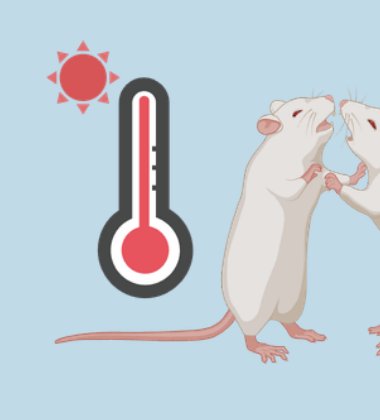
Long exposure to high temperatures can have significant effects on both brain function and behavior, specifically increasing impulsivity and emotional instability. As temperatures rise, the body experiences heat stress, which places restraint on the brain’s ability to regulate emotions and maintain cognitive control. Over time, high cortisol can disrupt normal brain function, particularly in areas that regulate mood and decision-making. In addition, this leads to heightened irritability, reduced patience, and difficulty managing stress, all of which can contribute to more impulsive and aggressive behavior [10].
One of the main reasons for this is the effect of heat on neurotransmitters and brain activity. High temperatures can disrupt the balance of serotonin and lower it, leading to increased aggression and a reduced ability to manage emotions effectively. Heat stress elevates cortisol levels and contributes to frustration, anxiety, and mental fatigue. A Los Angeles study found that the risk of violent crime on hot days was higher than moderate days. This points to the fact that cities with higher latitudes experience hotter and more disruptive days. Greenspaces also are beneficial in reducing the rate of heat-induced violence because they mitigate air pollution and provide psychological ease [12].
Furthermore, prolonged exposure to heat can also contribute to more serious outcomes, such as suicidal ideation and attempts, especially in individuals already experiencing mental health challenges. These effects are more significant because these individuals often rely on consistent routines, supportive environments, and coping strategies to manage their symptoms. For example, those with depression may already struggle with motivation and energy, leading to further withdrawal and inactivity. In addition, people managing mental health conditions may have fewer emotional or cognitive resources available to adapt to added stressors, making them more vulnerable to feeling overwhelmed. Heat can intensify feelings of hopelessness, exhaustion, and emotional distress, making it more difficult for individuals to cope [12]. Likewise, extreme heat creates a cycle in which heat not only affects the brain but also indirectly worsens behavior through sleep deprivation.
All in all, rising temperatures come at a dangerous risk in that it has a high probability of inducing violent thoughts and behavior in individuals. It increases crime rate, suicides, and other dangerous activities [12].
CONCLUSION
Although weather is very unpredictable and unstable in many situations, it is crucial how we respond to its effects on our brain and body. By understanding these impacts, we gain a sense of agency, allowing us to better manage our emotions, behaviors, and overall well-being. This awareness is especially important in that it will help us navigate uncertain conditions with greater control and confidence.

References (13)
- “Serotonin: What Is It, Function & Levels.” Cleveland Clinic, 18 Mar. 2022, my.clevelandclinic.org/health/articles/22572-serotonin.
- “Cerebrum: What It Is, Function & Anatomy.” Cleveland Clinic, 21 May 2022, my.clevelandclinic.org/health/body/23083-cerebrum.
- Veldhuijzen, D S, et al. “Altered Pain and Thermal Sensation in Subjects with Isolated Parietal and Insular Cortical Lesions.” European Journal of Pain (London, England), U.S. National Library of Medicine, May 2010, pmc.ncbi.nlm.nih.gov/articles/PMC2872197/#S10.
- Kristoffersen, Matt. “Yale Study: Abnormally Hot Days Could Impact Your Cognitive Skills.” Yale School of Public Health, Yale School of Medicine, 27 June 2023, ysph.yale.edu/news-article/yale-study-abnormally-hot-days-could-impact-your-cognitive-skills/.
- “Cold Allodynia - An Overview | Sciencedirect Topics.” Cold Allodynia, www.sciencedirect.com/topics/nursing-and-health-professions/cold-allodynia. Accessed 31 Mar. 2026.
- Book, G. A., Meda, S. A., Janssen, R., Dager, A. D., Poppe, A., Stevens, M. C., Assaf, M., Glahn, D., & Pearlson, G. D. (2021). Effects of weather and season on human brain volume. PloS one, 16(3), e0236303. https://doi.org/10.1371/journal.pone.0236303
- Book, Gregory A, et al. “Effects of Weather and Season on Human Brain Volume.” PloS One, U.S. National Library of Medicine, 24 Mar. 2021, pmc.ncbi.nlm.nih.gov/articles/PMC7990212/#sec013.
- “How Sunlight Can Help You Live Well with Parkinson’s - Davis Phinney Foundation.” How Sunlight Can Help You Live Well with Parkinson’s, Davis Phinney Foundation for Parkinson’s, 21 Mar. 2021, davisphinneyfoundation.org/blog/sunlight-and-parkinsons/.
- Blume, Christine, et al. “Effects of Light on Human Circadian Rhythms, Sleep and Mood.” Somnologie : Schlafforschung Und Schlafmedizin = Somnology : Sleep Research and Sleep Medicine, U.S. National Library of Medicine, Sept. 2019, pmc.ncbi.nlm.nih.gov/articles/PMC6751071/.
- Kolves, Kairi, et al. “From Rising Temperature to Eco-Emotions: Exploring the Impact of Climate Change on Suicidality.” ScienceDirect, Feb. 2025, www.med.upenn.edu/pmi/events/https-www-sciencedirect-com-science-article-abs-pii-s1047847720300046-via-3dihub.
- Sheth, Maushmi. “Extreme Weather & Neurological Symptoms.” Lone Star Neurology, 24 Mar. 2025,lonestarneurology.net/others/how-extreme-weather-conditions-influence-neurological-symptoms/.
- Heo, Seulkee, et al. “Temperature, Violent Crime, Climate Change, and Vulnerability Factors in 44 United States Cities.” ScienceDirect, 2024, www.sciencedirect.com/science/article/pii/S016041202400833X#s0040.
- Gauthier, Gabrielle M., et al. “Posttraumatic Stress Disorder and Climate Change: A Meta-Analysis of Prospective, Acute Predictors of PTSD Following Extreme Weather Events.” ScienceDirect, 2025, www.sciencedirect.com/science/article/pii/S0272735825001291.