The Mind's Hidden Compass: Dreams, Deep Thought, and the Art of Intuition
Gut feelings and sudden insights aren't mystical. They're the brain quietly processing beneath conscious awareness.
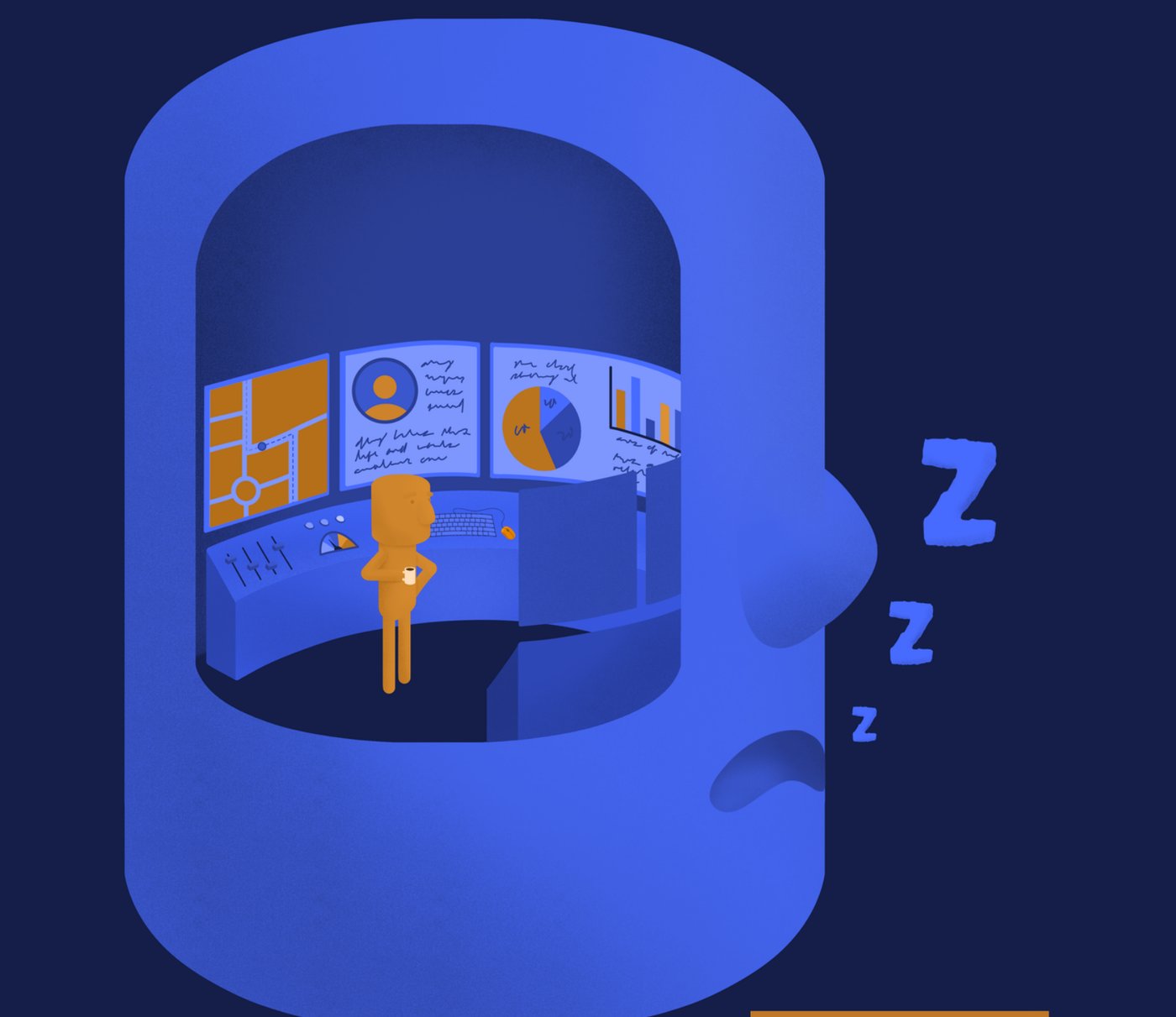
Have you ever had a gut feeling about something that turned out to be right? Or solved a problem almost out of nowhere after “sleeping on it”? Maybe you’ve had a vivid dream that felt strangely insightful, or walked out of a test or presentation feeling like you just knew what to do. These experiences, often called intuition, the “sixth sense,” or subconscious insight, aren’t mystical. They’re actually reflections of your brain doing what it does best: processing information, recognizing patterns, and making connections without you even realizing it.
The brain is never truly at rest. Even when we’re asleep or feel like we’re doing nothing, it’s constantly working by piecing together experiences and emotions in new ways. Dreams, deep thinking, and intuition give us small glimpses into these hidden processes. Each represents a different side of the mind’s ability to organize and make sense of information beyond conscious awareness. At the same time, they’re closely connected: intuitive insights can take root in dreams, develop during reflection, and eventually show up as sudden clarity or instinct.
DREAMS: NIGHTTIME EXPERIMENTS OF THE MIND
Dreams are strange. They mix fragments of memory and imagination in ways that often don’t seem to follow logic. Neuroscience helps explain part of this. During REM sleep, the stage most closely tied to vivid dreaming, the limbic system, which controls emotions, becomes highly active, while the prefrontal cortex, responsible for logical reasoning, becomes less active (Hobson, 2009). This is why dreams can feel emotionally intense but not always make sense.
Yet dreams serve functions beyond the bizarre. REM sleep helps consolidate memories, regulate emotions, and process experiences (Walker & Stickgold, 2006). In a sense, dreams are the brain’s internal laboratory, a space where it experiments with ideas, connections, and scenarios. Creative problem-solving often emerges here: artists, writers, and scientists alike have reported breakthroughs inspired by dreams. For example, the structure of the benzene molecule supposedly came to chemist August Kekulé in a dream of a serpent biting its tail, illustrating the subconscious as synthesizing patterns from memory.
Dreaming is also a mechanism for emotional regulation. Traumatic, joyful, or unresolved experiences often appear in dreams, allowing the mind to process and integrate them. Think of it as a form of emotional rehearsal, as it gives us a chance to simulate responses, navigate scenarios, and even confront fears in a safe, imaginative space. In this way, dreams serve as an internal guidance system, quietly preparing us for challenges, social interactions, and creative tasks.
DEEP THOUGHT AND THE UNSEEN CURRENTS OF COGNITION
We dream while we sleep and think while we’re awake, but much of both remains out of sight. Our conscious mind is only a small part of a much larger system. Our conscious mind is only the tip of a vast cognitive iceberg. Cognitive psychology describes two modes of thought: System 1, fast and automatic, and System 2, slow and deliberate (Kahneman, 2011). System 1 runs continuously in the background, detecting patterns, integrating experience, and flagging potential solutions before conscious thought catches up. Whereas System 2 engages more intentionally by analyzing information and working through decisions step by step when conscious effort is required.
This is why stepping away from a problem can actually help solve it. The idea of incubation in creativity suggests that taking a break allows the subconscious to keep working without interruption (Dijksterhuis & Nordgren, 2006). Those sudden “aha” moments often come from this hidden processing. Even when you’re focused on something completely different, your mind is still sorting through information, comparing possibilities, and building connections.
Deep thought also connects to emotional and bodily states. Sometimes, clarity emerges not from deliberate reasoning but from an alignment of emotional readiness, bodily calm, and subconscious synthesis. These moments feel effortless because the mind has already done the heavy lifting invisibly, like an orchestra tuning itself before the conductor signals the start.
INTUITION: THE BRAIN’S RAPID PATTERN DETECTOR
Intuition is what all of this processing looks like when it surfaces. It’s what happens when the brain recognizes patterns so quickly that it feels like there’s no reasoning involved. Often described as a gut feeling or instinct, intuition brings together emotional memory, physical sensations, and past experiences into fast judgments.
The somatic marker hypothesis helps explain this. According to it, bodily signals, like a sense of tension or ease, act as markers based on past emotional experiences, guiding decisions without conscious thought (Damasio, 1994). Brain studies also show that intuitive decisions involve areas like the ventromedial prefrontal cortex and the amygdala, which are linked to emotion and risk evaluation (Bechara et al., 1997). In simple terms, intuition is the brain compressing a huge amount of past information into a quick sense of what feels right.
Experience strengthens this ability. The more familiar someone is with a situation, the better their brain becomes at picking up patterns (Klein, 1998). That’s why a firefighter can sense danger instantly, and a chess player can anticipate moves of the opponent. Intuition is not magic; it’s the brain operating at peak efficiency, honed by experience and pattern recognition.
WHY SOME PEOPLE SEEM TO HAVE A “SIXTH SENSE”
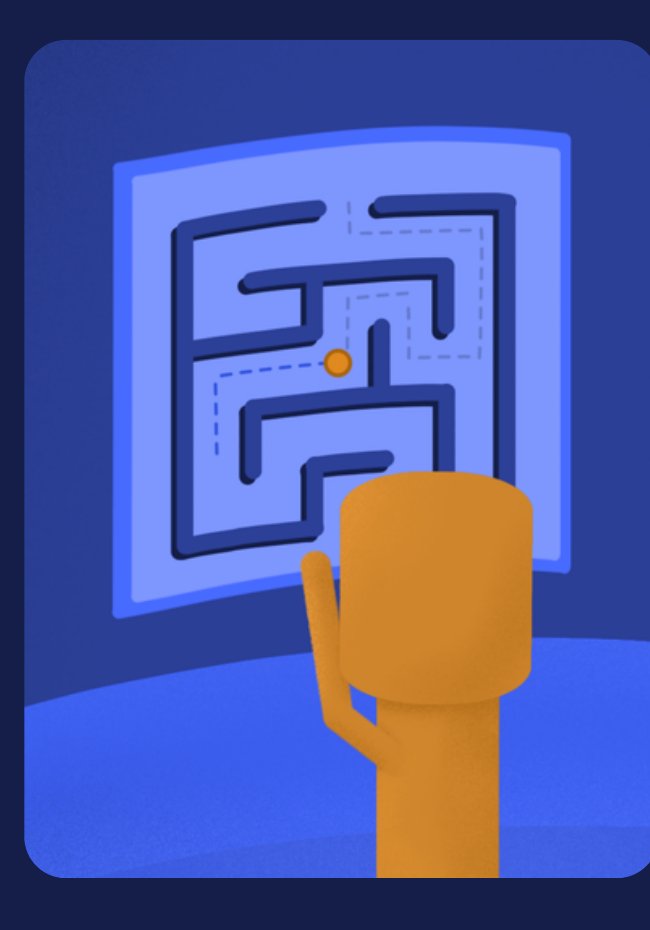
Intuition isn’t the same for everyone. Some people seem naturally more in tune with it, but that difference isn’t mystical. It often comes down to awareness. People who pay closer attention to their emotions and bodily signals are more likely to notice subtle cues. Those who reflect on past experiences are better at recognizing patterns and refining their instincts.
On the other hand, stress, distraction, or limited experience can weaken intuitive signals. When your attention is scattered, it’s harder to pick up on what your brain is already processing.
Practices like mindfulness, reflection, and exposure to varied experiences can sharpen awareness and make these signals easier to interpret. The key isn’t creating intuition, it’s learning to notice what’s already there.

INTERWEAVING DREAMS, THOUGHT, AND INTUITION
Dreams, deep thinking, and intuition aren’t separate processes; they’re part of the same system. Dreams provide the raw material: emotions, memories, and fragments of problems. Deep thought allows these pieces to settle, combine, and reorganize. Intuition then appears as the final result: a quick insight that feels sudden but is actually built on all that prior processing.
Think about creativity. A painter might struggle with composition, dream about unusual forms, reflect on them later, and suddenly feel drawn to the right arrangement. A scientist might wrestle with a problem, sleep on it, and wake up with a clear idea. The final insight feels immediate, but it’s the product of ongoing work beneath the surface.
Even everyday decisions follow this pattern. Whether it’s trusting someone, choosing how to study, or answering a question instinctively, the brain is constantly pulling together past experiences and knowledge to guide us, often without us noticing how.
CULTIVATING AWARENESS WITHOUT FORCING IT
Although subconscious processing happens automatically, there are ways to support it. Mindfulness and meditation can make you more aware of internal signals, helping you notice intuitive cues more clearly (Kabat-Zinn, 2003). Sleep plays a key role in strengthening memory and insight (Walker, 2017). Reflective habits like journaling or thinking through experiences can also help align intuition with conscious reasoning.
Yet the magic is not in trying to control intuition. It’s in noticing, listening, and trusting the subtle interplay of memory, emotion, and pattern recognition. These processes are reminders that our minds are constantly at work, even when we feel passive. They show that insight is not sudden or inexplicable; it is the natural product of a brain constantly synthesizing its world.
CONCLUSION: THE MIND’S SUBTLE SYMPHONY
Dreams, deep thought, and intuition reveal how much of the mind operates beneath conscious awareness. What we often experience as gut feelings or sudden insights aren’t mystical gifts, but the result of continuous processing shaped by memory, emotion, experience, and bodily awareness. By noticing, reflecting, and giving space to these processes, we can become more in tune with the subtle signals our brains are already generating.
Our internal world is vast, layered, and often out of sight, yet it constantly shapes how we perceive, decide, and create. Even in moments of stillness, the brain remains active, quietly weaving together dreams, insights, and intuition into the fabric of our experience, offering glimpses of understanding that can feel almost magical.
References (10)
- Bechara, A., Damasio, H., Tranel, D., & Damasio, A. R. (1997). Deciding advantageously before knowing the advantageous strategy. Science, 275(5304), 1293–1295. https://doi.org/10.1126/science.275.5304.1293
- Damasio, A. R. (1994). Descartes’ error: Emotion, reason, and the human brain. G. P. Putnam’s Sons.
- Dijksterhuis, A., & Nordgren, L. F. (2006). A theory of unconscious thought. Perspectives on Psychological Science, 1(2), 95–109. https://doi.org/10.1111/j.1745-6916.2006.00007.x
- Hobson, J. A. (2009). REM sleep and dreaming: Towards a theory of protoconsciousness. Nature Reviews Neuroscience, 10, 803–813. https://doi.org/10.1038/nrn2716
- Kabat‑Zinn, J. (2003). Mindfulness‑based interventions in context: Past, present, and future. Clinical Psychology: Science and Practice, 10(2), 144–156.
- Kahneman, D. (2011). Thinking, fast and slow. Farrar, Straus and Giroux.
- Klein, G. (1998). Sources of power: How people make decisions. MIT Press.
- Tversky, A., & Kahneman, D. (1974). Judgment under uncertainty: Heuristics and biases. Science, 185(4157), 1124–1131. https://doi.org/10.1126/science.185.4157.1124
- Walker, M. P. (2017). Why we sleep: Unlocking the power of sleep and dreams. Scribner.
- Walker, M. P., & Stickgold, R. (2006). Sleep, memory, and plasticity. Annual Review of Psychology, 57, 139–166. https://doi.org/10.1146/annurev.psych.56.091103.070307